

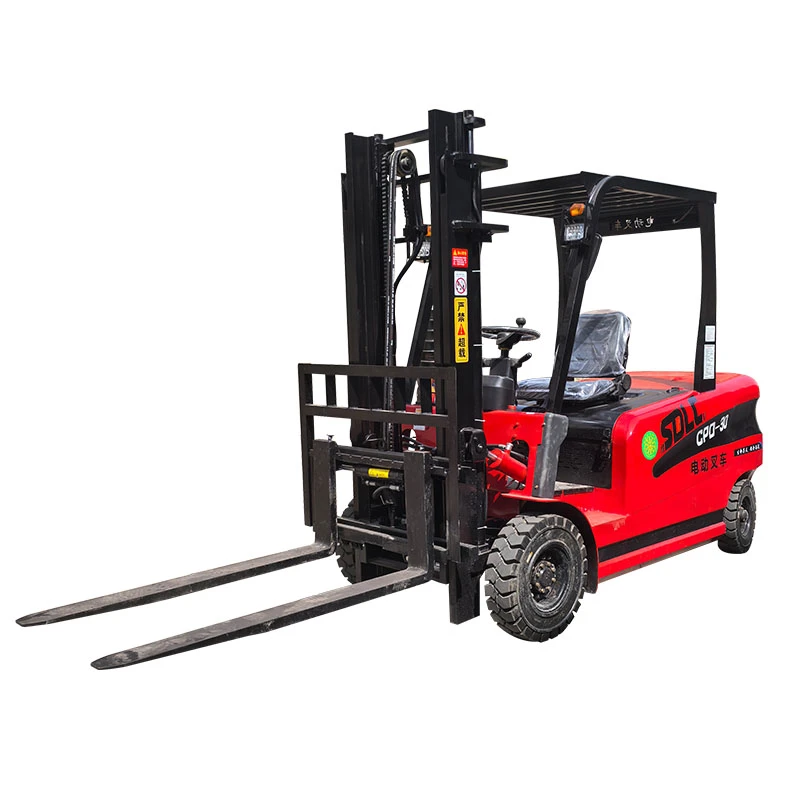
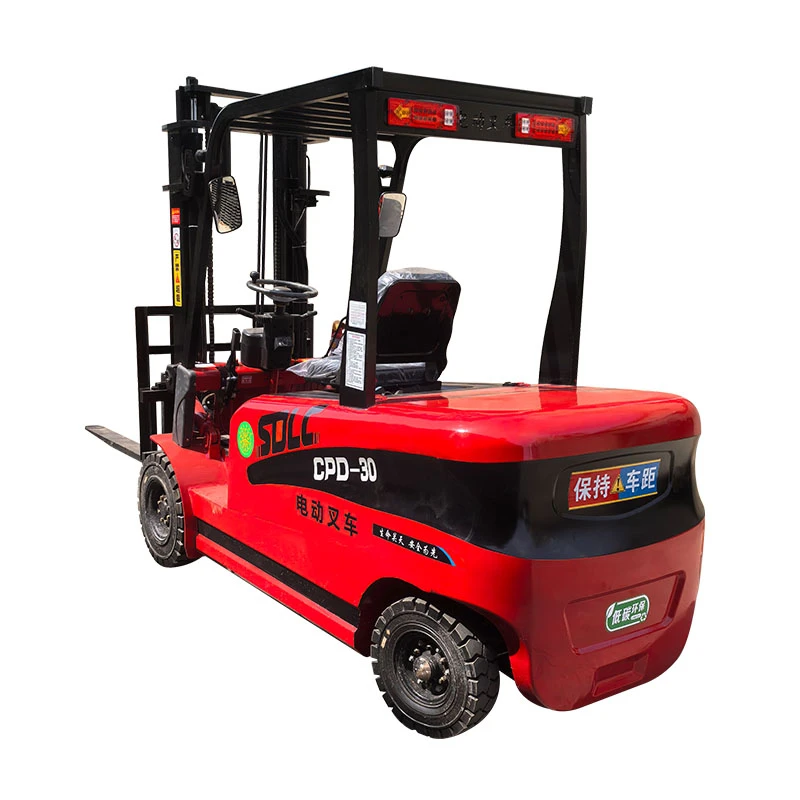
Ⅰ. Overview of electric forklifts
Electric forklifts are material handling equipment powered by batteries. Compared with traditional internal combustion forklifts, they have advantages such as environmental protection, energy saving, and low noise. With the increasingly stringent global environmental regulations and the advancement of new energy technologies, electric forklifts are gradually replacing internal combustion forklifts and becoming the mainstream of the market.
II. Analysis of core technologies
1. Power system
Lithium battery technology: ternary lithium battery and lithium iron phosphate battery have become mainstream, with energy density of 160-200Wh/kg;
Motor technology: Permanent magnet synchronous motor (PMSM) accounts for more than 80%, with efficiency of more than 95%
Energy recovery system: Kinetic energy can be converted into electrical energy for charging when going downhill and braking;
2. Control system
CAN bus technology: Realize digital control of the entire vehicle electronic system;
Intelligent speed control system: Automatically adjust the motor speed according to the load;
Fault self-diagnosis: Can identify 200+ fault codes;
3. Safety system
Automatic load identification and overload protection;
Automatic slope detection and anti-skid control;
Emergency power off and anti-collision warning;
III. Technology development trends
1. Intelligent upgrade:
5G remote monitoring;
Application of autonomous driving technology;
Digital twin maintenance system;
2. Lightweight design:
High-strength aluminum alloy frame;
Application of composite materials;
Modular design;
3. Charging technology innovation:
Fast charging (charge to 80% in 30 minutes);
Wireless charging technology;
Promotion of battery replacement mode;
IV. Market application prospects
According to 2024 data, China's electric forklift market share has reached 65%, and it is expected to exceed 70% in 2025. The main application areas include:
1. E-commerce logistics warehousing;
2. Food and pharmaceutical industry;
3. Precision manufacturing workshop;
4. Airport and port operations;
V. Purchase suggestions
1. Choose the appropriate endurance (4-8 hours) according to the working conditions;
2. Consider the battery cycle life (2000-3000 times);
3. Evaluate the demand for intelligent functions;
4. Pay attention to the after-sales service system;
Conclusion
With the advancement of the "dual carbon" goal, electric forklift technology will continue to innovate and develop in a more efficient, smarter and more environmentally friendly direction. Enterprises should seize the opportunity of technological upgrading to achieve green logistics transformation.


