

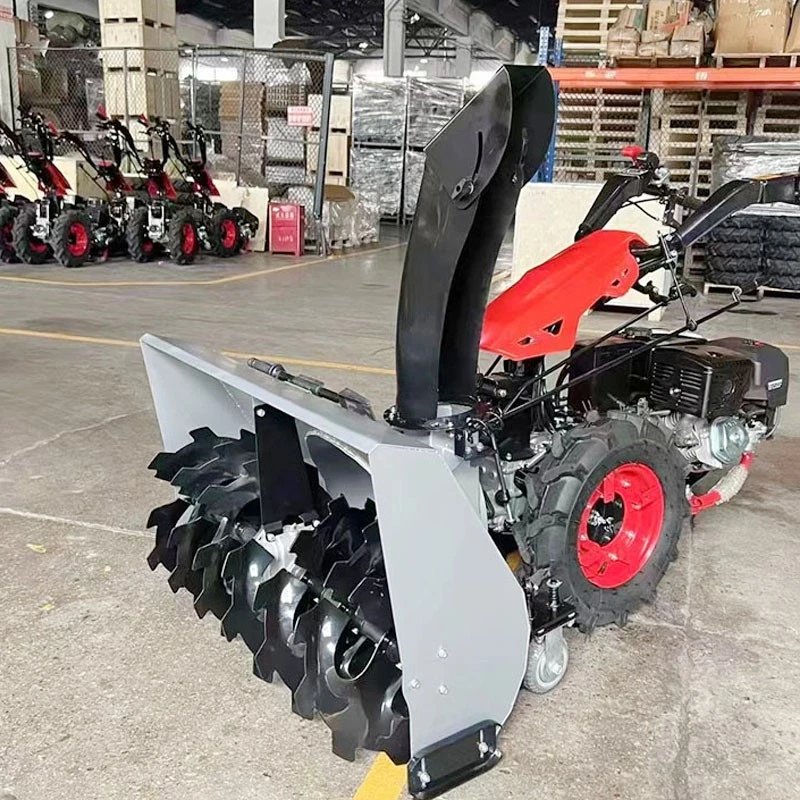
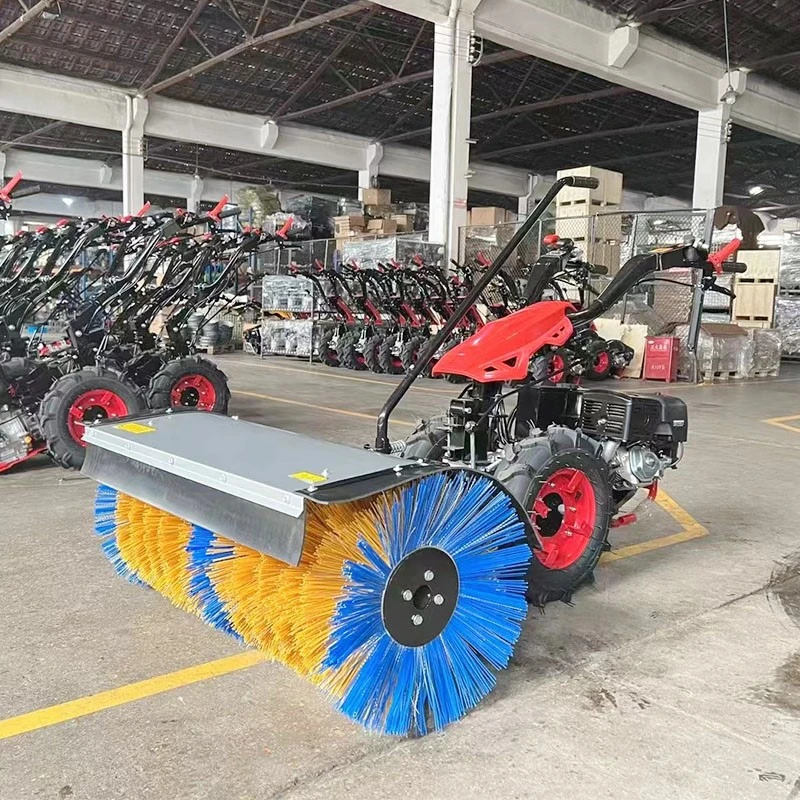
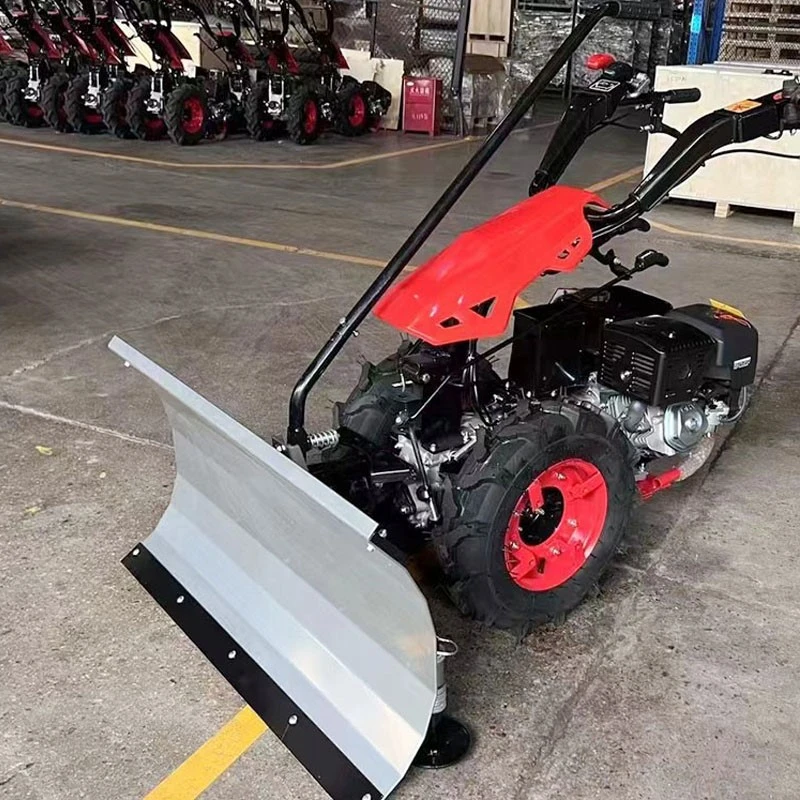
With the arrival of winter, it becomes a problem to pass after snow. A high-performance snowplow is an important assistant to ensure smooth roads and convenient life. To maximize its efficiency and ensure your own safety, you need to master the correct operation methods and maintenance skills.
1. Careful preparation before snowplow operation
Equipment inspection (top priority!)
Fluids: Check the engine oil (model, oil level) and fuel (it is recommended to use seasonal fuel and add stabilizer). For two-stroke engines, the oil must also be premixed in proportion.
Bolt tightening: The key is to check whether the blade bolts, propeller (drum) bolts, etc. are loose.
Wear parts: Observe the degree of wear of the blade scraper. If it is too thin, it needs to be replaced to prevent damage to the ground.
Component flexibility: Ensure that the snowplow can rotate flexibly and the deflector angle can be adjusted smoothly (if any).
Transmission parts: Whether the belt tightness is appropriate and whether the track/tire pressure is normal.
Safety mechanism: Test whether the emergency stop switch is effective and reliable.
Site survey
Remove hard objects such as stones, metal fragments, toys, branches, etc. that may damage the machine. Pay attention to dangerous areas such as lane boundaries, hidden drains, steps, etc. Pay special attention to ice on slippery roads.
Personal protective equipment
Wear safety goggles to prevent splashing ice and snow from injuring your eyes. Wear non-slip warm boots and wear-resistant gloves, and avoid loose clothing (to prevent being drawn into the machine).
2. Standard operation of snowplows
Start the machine: Turn on the fuel switch (if any). In cold weather, close the choke, and gradually open it after starting until it runs smoothly. Strictly follow the starting steps in the manual (such as electric start or pull rope start).
Pushing and walking posture: Hold the handle firmly, stand firmly with both feet, and lean your body slightly forward. Move at a moderate speed and avoid rapid pushing and pulling.
Key points for snow removal operations
Direction control:
From high to low: It is more labor-saving to push from uphill to downhill.
From inside to outside: clean up gradually from the center of the driveway/yard outward.
Operate with the wind: Try to avoid working against the wind to prevent snow from flying into your face.
Control the depth of snow shoveling: When the snow layer is too thick, clean up in layers (clear a few centimeters each time).
Optimize the angle of snow throwing:
Use the wind direction: Adjust the direction of the snow throwing barrel to use the wind to throw the snow farther and save more effort.
Safe throwing: Make sure there are no people, animals or important items in the direction of snow throwing (pay special attention to avoid the glass of houses and vehicles). When throwing snow, be sure to stand sideways (about 45 degrees), avoid facing the snow outlet, and ensure a safe distance of at least 2 meters.
Handling special areas: When operating on wet snow or asphalt, raise the shovel blade appropriately to prevent scratching the ground.
Fault response
Machine blockage: Must! Completely stop the engine, pull out the key or disconnect the power supply. Use special cleaning tools (such as cleaning sticks) to remove snow and foreign objects. It is strictly forbidden to dig directly with your hands!
Severe shaking or abnormal noise: Stop the machine immediately for inspection, as foreign objects may be involved or parts may be damaged.
3. Important maintenance after snowplow operation
Clear snow:Run the snowplow for a few seconds to discharge the snow. Carefully remove the remaining snow and mud from all parts of the machine, especially the bottom and the drive shaft, to prevent ice and blockage from damaging the equipment.
Inspection and maintenance: Quickly check whether the key bolts are loose. Lubricate the moving parts (such as the steering bracket) as required. Check the degree of wear of the scraper blade and propeller blade.
Proper storage:Store in a dry and ventilated place after cleaning the exterior. Empty the fuel tank or use stabilizer to protect the carburetor (for seasonal storage). Cover the protective cover to prevent dust accumulation.
4. Snowplow safety operation warning (be sure to remember!)
It is strictly forbidden to clear the blockage with bare hands: It is absolutely forbidden to touch any rotating parts when the engine is running!
Keep a safe distance: At least 2 meters, especially children and pets.
Wear protective equipment: Goggles and gloves are essential.
Beware of slippery terrain: Pay special attention to the road conditions under your feet during operation.
Do not operate when tired: Fatigue can easily lead to misoperation, so be sure to rest and adjust.
Pay attention to fuel safety: Fuel should be added when the engine is cool and away from fire.
Stay focused at all times: Do not be distracted during operation and always pay attention to the path ahead.
Work in a bright environment: Be sure to turn on the machine lights or wear reflective clothing at night or when visibility is poor.


