

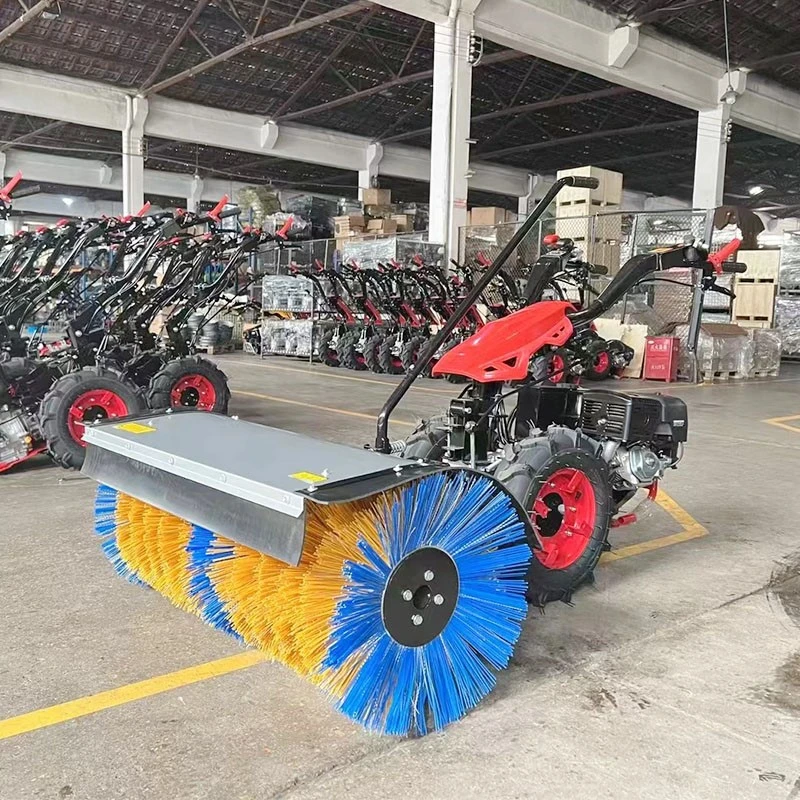
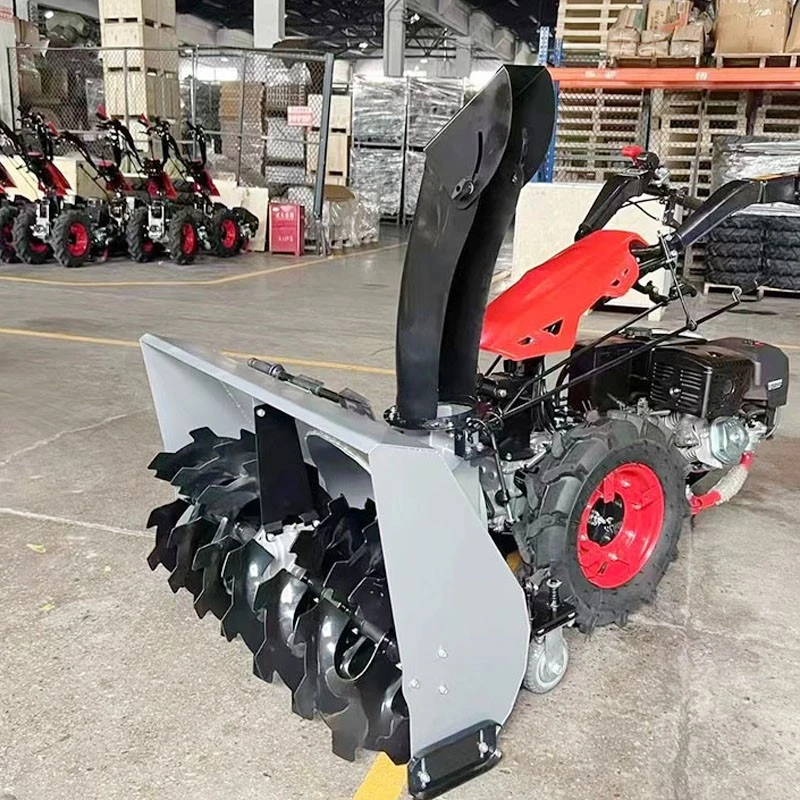
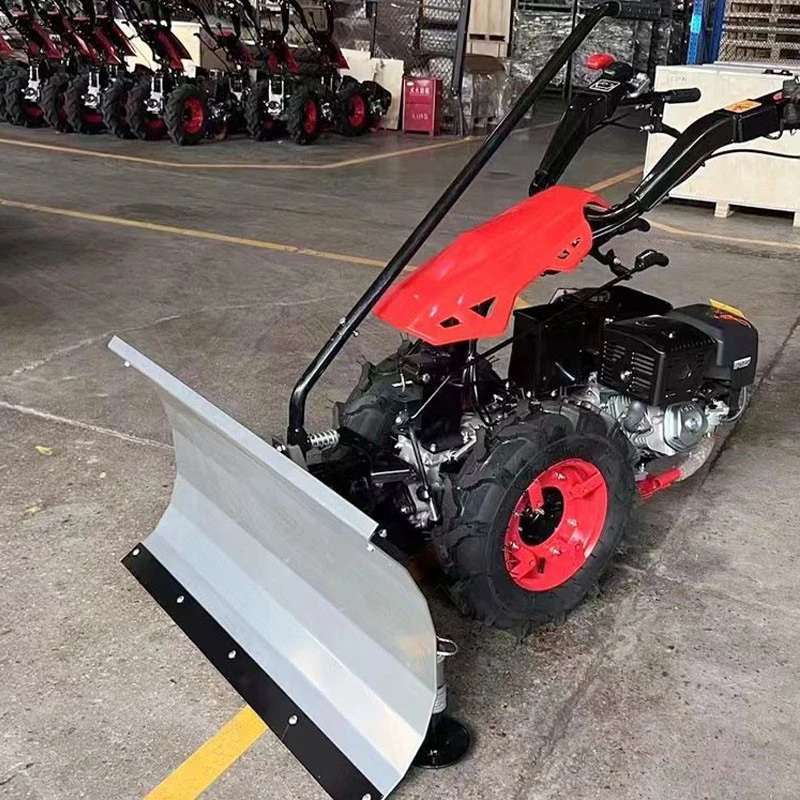
Although the electrification wave has swept the field of small equipment, fuel-powered (gasoline) snowplows still occupy an irreplaceable position in the professional market and harsh working conditions with their surging power, super-long battery life and extreme environmental adaptability. Faced with the growing pressure of winter snow removal, especially for users in commercial properties, municipal agencies and areas with heavy snowfall, modern fuel snowplows are improving performance, reliability and environmental performance through technological innovation.
Market status: rigid demand and technological resilience coexist
Dominant in professional scenarios: Continuous and high-intensity snow removal operations in large parking lots, highway service areas, and industrial parks require equipment with long-term and high-power output capabilities. Fuel models with large fuel tank battery life (far superior to the market lithium battery solution) and high torque performance (obvious advantages in handling wet snow and ice mud mixtures) are still the first choice.
First choice for high-cold areas: In the "snow belt" region of the Great Lakes in North America, Northern Europe and high-altitude cold areas, extreme low temperatures seriously affect the performance of lithium batteries, and reliable fuel engine startability and working stability are essential.
Durability and total cost of ownership: For users with high annual usage frequency and high operating intensity, fuel models with sturdy structure and mature maintenance system have a long life cycle and relatively clear maintenance costs. Their total cost of ownership (TCO) is still competitive after calculation.
Technology upgrade: Efficiency and environmental protection are equally important
Modern fuel snowplows are no longer synonymous with "high pollution and high noise".
Technological progress focuses on core pain points:
Engine efficiency improvement:
Electronic fuel injection technology (EFI) popularization: Compared with traditional carburetors, EFI significantly improves cold start performance (easy ignition at -30℃), accurately controls the air-fuel ratio, improves fuel efficiency (reduces fuel consumption by 15-25%), and significantly reduces carbon emissions and unburned hydrocarbon emissions, meeting the increasingly stringent emission regulations in Europe and the United States (such as EPA Euro 5). OHV overhead valve engine: Becomes standard for mid-to-high-end models, providing stronger power, lower fuel consumption and quieter operation.
Humanized control upgrade: Electric start standard: Say goodbye to the hand pull rope, one-button start (with spare pull rope) improves user experience, especially in severe cold environments.
Speed/Continuously variable speed system: Provides smoother starting and precise speed control, adapts to different snow conditions, and reduces the burden on operators.
Enhanced snow removal components: Heavy alloy steel bucket, reinforced spiral blade (Auger) and belt protection design improve equipment durability and ice and snow breaking capabilities.
Noise reduction and vibration reduction: Optimize the intake and exhaust system, increase sound insulation materials, and continuously reduce the working noise level (some models are close to 75-80 dBA).
Improve the engine suspension design to reduce the vibration transmitted to the operator.
Core considerations of users and industry response When choosing a fuel snow blower, professional users generally pay attention to:
Engine reliability and brand reputation: Professional users prefer proven and mature engine brands (such as Briggs & Stratton, Honda, Kohler).
Hard indicators of snow removal ability: Clearing Width and Throwing Distance are still the basis, and Maximum Snow Depth and Wet snow handling ability are more critical.
Maintenance convenience: Easy-to-replace snow shovel/spiral blades, easy-to-repair structural design, easy-to-obtain spare parts and localized service network are important guarantees.
Operational comfort: Ergonomic control handles, heated handles, and lighting systems are indispensable in high-intensity operations.
The industry is actively responding: Manufacturers continue to optimize product design to reduce maintenance difficulty, develop dealer service systems, and provide professional training and technical support. At the same time, users are encouraged to use new bio-blended fuels (such as ethanol gasoline/E10, and E85 can be used for some applicable models) to further reduce environmental impact.


